Biotechnology leverages the power of living organisms and their components to create innovative solutions. Here are some key examples of useful organisms across various biotechnological applications:
1. Microorganisms:
* Bacteria:
* E. coli: Widely used for gene cloning, protein production (insulin, growth hormones), and bioremediation.
* Bacillus subtilis: Excellent for producing enzymes (proteases, lipases) and antibiotics (Bacitracin).
* Lactobacillus: Essential for fermentation in yogurt, cheese, and other dairy products.
* Cyanobacteria: Promising for biofuel production (biodiesel) and nitrogen fixation.
* Yeast:
* Saccharomyces cerevisiae: Used in baking, brewing, and bioethanol production.
* Pichia pastoris: Effective for large-scale protein production, including vaccines.
* Fungi:
* Aspergillus niger: Important for producing citric acid, enzymes (amylases, lipases), and antibiotics.
* Penicillium chrysogenum: Source of penicillin, a groundbreaking antibiotic.
* Viruses:
* Bacteriophages: Employed for phage therapy (treatment of bacterial infections) and biocontrol.
* Lentiviruses: Used in gene therapy to deliver therapeutic genes to target cells.
2. Plants:
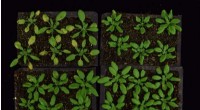
* Arabidopsis thaliana: A model plant species for studying plant genetics and development.
* Soybean: Used to produce various oils, proteins, and pharmaceuticals.
* Corn: A major source of starch, bioethanol, and bioplastics.
* Tobacco: Used as a platform for producing biopharmaceuticals and vaccines.
3. Animals:
* Sheep: Used for producing therapeutic proteins in their milk (e.g., antithrombin).
* Chickens: Used for producing antibodies and other proteins in their eggs.
* Mice: Widely used as model organisms for studying human diseases and developing new treatments.
* Zebrafish: A powerful model organism for studying developmental biology and drug discovery.
4. Human Cells:
* Human embryonic stem cells: Hold immense potential for regenerative medicine and disease modeling.
* Human induced pluripotent stem cells (iPSCs): Derived from adult cells, they can differentiate into various cell types, offering therapeutic possibilities.
5. Other Organisms:
* Algae: Promising source for biofuels, food supplements, and pharmaceuticals.
* Insects: Used in biocontrol (pesticides) and for producing protein-rich food sources.
Applications of Useful Organisms in Biotechnology:
* Pharmaceutical industry: Production of drugs, vaccines, and diagnostics.
* Agriculture: Crop improvement, pest control, and sustainable farming practices.
* Food industry: Production of fermented foods, enzymes, and food additives.
* Environmental protection: Bioremediation, waste treatment, and renewable energy production.
* Industrial applications: Production of biomaterials, biofuels, and bioplastics.
This is just a glimpse into the vast world of useful organisms in biotechnology. Research and innovation are constantly expanding our understanding and leveraging these organisms for societal benefit.