Here's a breakdown:
* Proteins are large, complex molecules made up of chains of amino acids.
* There are 20 different amino acids commonly found in proteins.
* These amino acids are joined together by peptide bonds to form polypeptide chains.
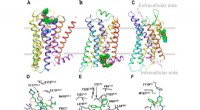
* These polypeptide chains then fold into specific three-dimensional structures, creating functional proteins.
Where do animal cells get their amino acids?
* Diet: Animals obtain most of their amino acids by consuming proteins from their food.
* Biosynthesis: Some amino acids can be synthesized by the animal cell itself, but others are considered essential amino acids and must be obtained from the diet.
Other components essential for protein synthesis:
* Ribosomes: These are cellular organelles where protein synthesis takes place.
* mRNA (messenger RNA): Carries the genetic code for a specific protein from the DNA in the nucleus to the ribosomes.
* tRNA (transfer RNA): Delivers individual amino acids to the ribosomes according to the instructions in the mRNA.
Let me know if you'd like more details about any of these processes!