1. Understanding Biological Processes:
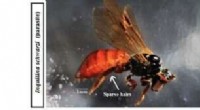
* Direct Observation: Observing living organisms allows us to witness biological processes in real-time, such as movement, feeding, growth, and reproduction. This provides a deeper understanding of how these processes occur and interact.
* Dynamic Nature: Living organisms are constantly changing and responding to their environment. Observing them in action allows us to study this dynamic nature, which is difficult to capture through static images or preserved specimens.
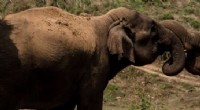
* Behavior and Ecology: Observing living specimens provides insights into their behavior, interactions with other organisms, and their role in the ecosystem.
2. Scientific Research and Discovery:
* New Discoveries: Observing living organisms can lead to new discoveries about their biology, physiology, and behavior. This can lead to breakthroughs in medicine, agriculture, and other fields.
* Testing Hypotheses: Observations of living organisms can be used to test hypotheses about their behavior, physiology, and adaptation. This allows for the refinement of scientific knowledge.
* Developing New Technologies: Observations of living organisms can inspire new technologies, such as biomimicry, where we learn from nature to design new solutions.
3. Education and Public Awareness:
* Engaging Learning: Observing living organisms is an engaging and effective way to teach about biology and ecology. It fosters curiosity and appreciation for the natural world.
* Conservation: Observing living organisms can raise awareness about biodiversity and the importance of conservation efforts. This can lead to a greater understanding of environmental issues and the need to protect our planet.
4. Ethical Considerations:
* Minimizing Harm: Observing living organisms in their natural habitat is crucial for minimizing harm to the individuals and their environment.
* Responsible Research: Observing living organisms responsibly involves minimizing stress and disturbance to the subjects, adhering to ethical guidelines, and obtaining necessary permits.
Overall, observing living specimens provides a dynamic and comprehensive understanding of the natural world, fueling scientific discovery, education, and environmental awareness.