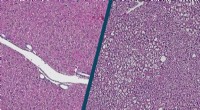
Microscopy:
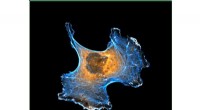
* Light Microscopes: Observe small objects and structures, including cells, bacteria, and tissues. Different types include compound microscopes, stereo microscopes, and phase-contrast microscopes.
* Electron Microscopes: Offer extremely high resolution images, allowing visualization of subcellular structures and viruses. Includes Transmission Electron Microscopes (TEM) and Scanning Electron Microscopes (SEM).
Sample Preparation and Handling:
* Centrifuges: Separate components of a mixture based on density.
* Spectrophotometers: Measure the absorbance and transmission of light through a sample, often used to quantify DNA, RNA, or protein concentrations.
* Pipettes: Accurately measure and transfer small volumes of liquids.
* Microscopes Slides and Cover Slips: Hold samples for microscopic examination.
* Microtubes: Small tubes used to hold and process small volumes of liquid.
* Autoclaves: Sterilize equipment and materials using high pressure steam.
* Incubators: Provide controlled temperature and humidity for cell cultures and bacterial growth.
Molecular Biology:
* PCR Thermocyclers: Amplify DNA sequences for further analysis.
* Gel Electrophoresis Systems: Separate DNA, RNA, or proteins based on size and charge.
* PCR Machines: Perform polymerase chain reaction, a fundamental technique in molecular biology.
* Electroporation Systems: Introduce foreign DNA into cells using an electric pulse.
* Bioanalyzer: Analyzes the size and quantity of DNA, RNA, and proteins.
* Microarrays: Analyze gene expression patterns.
Cell Culture:
* Laminar Flow Hoods: Provide sterile work environments for cell cultures.
* CO2 Incubators: Control temperature, CO2 levels, and humidity for cell culture.
* Cell Counters: Determine the number of cells in a sample.
* Flow Cytometers: Analyze individual cells based on physical and fluorescent properties.
Other Instruments:
* Balances: Weigh chemicals and other materials.
* pH Meters: Measure the acidity or alkalinity of solutions.
* Thermometers: Measure temperature.
* Water Baths: Provide controlled temperature for experiments.
* Dissecting Kits: Used for dissections of animals and plants.
Important Note: This is not an exhaustive list. The specific instruments used in a biology lab will vary depending on the type of research or experiments being conducted.