Key Function:
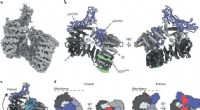
* Protein Synthesis: Ribosomes read the genetic code carried by messenger RNA (mRNA) and use it to assemble amino acids into proteins. This process is called translation.
Detailed Explanation:
1. mRNA Delivery: Messenger RNA (mRNA) molecules, which contain the genetic code for a specific protein, travel from the nucleus to the cytoplasm, where they encounter ribosomes.
2. Decoding the Code: The ribosome binds to the mRNA and reads the sequence of codons (groups of three nucleotides). Each codon specifies a particular amino acid.
3. Amino Acid Delivery: Transfer RNA (tRNA) molecules, each carrying a specific amino acid, recognize the codons on the mRNA and deliver the corresponding amino acids to the ribosome.
4. Peptide Bond Formation: The ribosome links the amino acids together one by one, forming a polypeptide chain.
5. Protein Folding: Once the polypeptide chain is complete, it detaches from the ribosome and folds into a specific three-dimensional structure, which is critical for its function.
Importance for Animal Cells:
* Essential for Cellular Processes: Proteins are essential for virtually every cellular function, including:
* Enzymes: Catalyzing biochemical reactions
* Structural Components: Providing shape and support
* Hormones: Regulating cellular processes
* Antibodies: Defending against infection
* Transporters: Moving substances across membranes
* Growth and Development: Protein synthesis is essential for cell growth, division, and development.
* Repair and Maintenance: Ribosomes produce proteins needed for repairing damaged cells and tissues.
Location:
* Free Ribosomes: Found floating in the cytoplasm, producing proteins that will function within the cell.
* Bound Ribosomes: Attached to the endoplasmic reticulum, producing proteins that will be secreted from the cell or embedded in membranes.
In summary, ribosomes are essential for the life of an animal cell by translating the genetic code into proteins, which are crucial for all cellular processes, growth, and development.