Here are some examples illustrating how adaptation and evolution work:
1. Peppered Moths:
* Adaptation: During the Industrial Revolution, pollution darkened the trees in England. Light-colored peppered moths became more visible to predators, while dark-colored moths blended in better.
* Evolution: This color variation was due to a genetic mutation. The darker moths survived better, reproduced more, and passed on their genes. Over time, the population of dark moths increased, demonstrating evolution through natural selection.
2. Darwin's Finches:
* Adaptation: Finches on the Galapagos Islands evolved different beak shapes and sizes, each suited to a specific food source.
* Evolution: The finches with beaks best adapted to the available food were more likely to survive and reproduce, passing on their advantageous traits. Over generations, different beak shapes became dominant on each island, reflecting the unique food sources present.
3. Antibiotic Resistance in Bacteria:
* Adaptation: Some bacteria develop mutations that make them resistant to certain antibiotics.
* Evolution: When antibiotics are used, resistant bacteria survive and multiply. This leads to an increase in the population of resistant bacteria, making the antibiotic less effective.
4. Camouflage in Animals:
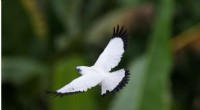
* Adaptation: Many animals have evolved camouflage to blend in with their surroundings, making them harder for predators to spot.
* Evolution: Animals with better camouflage are more likely to survive and reproduce, passing on their genes. This leads to the evolution of increasingly effective camouflage over generations.
5. Human Skin Color:
* Adaptation: Skin color is influenced by the amount of melanin, a pigment that protects against ultraviolet radiation. People living closer to the equator have darker skin to protect against stronger sunlight.
* Evolution: The geographic variation in skin color is a result of natural selection, with lighter skin being more advantageous in areas with less sunlight.
Key points:
* Adaptation is a process by which an organism becomes better suited to its environment.
* Evolution is a gradual change in the inherited characteristics of a population over time.
* Natural selection is the driving force of evolution, where individuals with traits that make them better suited to their environment are more likely to survive and reproduce.
These are just a few examples of the countless ways that adaptation and evolution shape life on Earth. By understanding these processes, we can gain a deeper appreciation for the diversity and interconnectedness of the natural world.