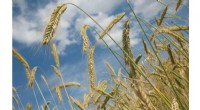
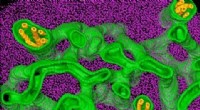
* Chlorophyll: Plant cells contain a green pigment called chlorophyll. This pigment is essential for photosynthesis, the process by which plants convert sunlight, water, and carbon dioxide into food (sugar). Chlorophyll absorbs sunlight energy, specifically red and blue wavelengths, while reflecting green light, which is why we see plants as green.
* Animal Cells Lack Chlorophyll: Animal cells don't need to make their own food, so they don't have chlorophyll. They obtain their food by consuming other organisms.
* Other Plant Colors: While chlorophyll is the most common pigment in plants, they can also have other pigments that give them different colors. For example, red leaves in the fall are due to pigments called anthocyanins.
So, to summarize:
* Plant cells are green because they have chlorophyll, a pigment essential for photosynthesis.
* Animal cells lack chlorophyll and therefore aren't green.