1. Plasma Membrane: This thin, flexible barrier surrounds the cell, separating its internal environment from the external environment. It regulates the passage of molecules in and out of the cell.
2. Cytoplasm: The gel-like substance that fills the cell and contains all the organelles. It provides a medium for chemical reactions and cellular processes to occur.
3. DNA (Deoxyribonucleic Acid): The genetic material of the cell, carrying the instructions for building and maintaining the organism. In prokaryotic cells, DNA is located in a region called the nucleoid. In eukaryotic cells, DNA is organized into chromosomes within the nucleus.
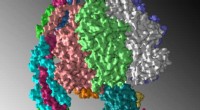
4. Ribosomes: Tiny structures responsible for protein synthesis. They read the genetic code from mRNA and use it to assemble amino acids into proteins.
5. Energy Production Systems: All cells need energy to function. This is provided by specialized structures:
* Mitochondria (in eukaryotes): These organelles are responsible for cellular respiration, which produces ATP, the primary energy currency of the cell.
* Chloroplasts (in plants and algae): These organelles carry out photosynthesis, converting sunlight into chemical energy in the form of glucose.
6. Cytoskeleton: A network of protein filaments that provides structure and support to the cell. It also helps with movement, transport within the cell, and cell division.
7. Some Other Common Structures:
* Endoplasmic reticulum (ER): A network of membranes involved in protein synthesis, folding, and transport.
* Golgi apparatus: Involved in processing, packaging, and sorting proteins and lipids.
* Lysosomes (in eukaryotes): Organelles containing enzymes that break down waste materials.
* Vacuoles (in plants and some eukaryotes): Large storage compartments for water, nutrients, and waste.
It's important to note that:
* While all cells share these fundamental components, their specific structures and functions can vary greatly depending on the cell type and organism.
* Prokaryotic cells (bacteria and archaea) are simpler than eukaryotic cells (plants, animals, fungi, and protists) and lack some of these components, such as a nucleus, mitochondria, and endoplasmic reticulum.
These common structures highlight the underlying unity of life and demonstrate that even diverse life forms share essential building blocks for survival.