1. Evolutionary Adaptations:
* Environment: The environment an organism lives in heavily influences its size. For instance, animals in cold climates tend to be larger (Bergmann's rule) to conserve heat.
* Food Availability: Organisms in environments with abundant food can grow larger, while those with limited resources tend to be smaller.
* Predators: Size can be a crucial factor in predator-prey relationships. Large size can deter predators, while smaller size allows for better hiding and agility.
* Competition: Competition for resources can influence size. Larger organisms may dominate, but smaller ones may thrive in niches where they have an advantage.
2. Biological Factors:
* Metabolism: Organisms with high metabolic rates tend to be smaller, as they require more energy to sustain their bodily functions.
* Growth Rate: Species with faster growth rates can reach larger sizes in a shorter time.
* Genetics: Size is influenced by genes, and variations in genes can lead to differences in size among individuals within a species.
* Development: The way an organism develops can affect its final size. For instance, some organisms have extended periods of growth, allowing them to reach large sizes.
3. Physical Constraints:
* Surface Area to Volume Ratio: As an organism grows, its volume increases faster than its surface area. This can pose limitations, especially for heat exchange and oxygen uptake.
* Structural Support: Larger organisms need stronger skeletons and more complex structures to support their weight.
4. Specific Examples:
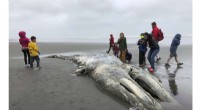
* Whales: The largest animals on Earth, whales have adapted to filter-feeding in the ocean and have evolved to be massive.
* Insects: Some insects are extremely small, which allows them to exploit specific microhabitats and evade predators.
* Trees: Trees can grow incredibly tall to reach sunlight, and their size is often influenced by water and nutrient availability.
It's important to note that size is just one aspect of an organism's success. There are many ways to be successful in nature, and being big or small is not necessarily better or worse.