Energy Production (Cellular Respiration):
* Glycolysis: The breakdown of glucose into pyruvate occurs in the cytoplasm.
* Krebs Cycle (Citric Acid Cycle): Pyruvate enters the mitochondria and is further broken down, producing electron carriers (NADH and FADH2).
* Electron Transport Chain: The electron carriers deliver electrons to a chain of proteins embedded in the inner mitochondrial membrane. This process releases energy, which is used to pump protons (H+) across the membrane, creating a proton gradient.
* ATP Synthesis: The potential energy stored in the proton gradient is used by ATP synthase to produce ATP, the main energy currency of the cell.
Other Important Functions:
* Regulation of Cell Death: Mitochondria play a crucial role in programmed cell death (apoptosis). They release signaling molecules that initiate the cell's dismantling process.
* Calcium Signaling: They store and release calcium ions, which are essential for various cellular processes, including muscle contraction and nerve impulse transmission.
* Steroid Hormone Synthesis: Some mitochondria, particularly in the adrenal glands, are involved in the synthesis of steroid hormones like testosterone and estrogen.
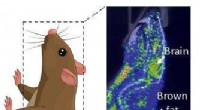
* Heat Generation: In some animals, mitochondria generate heat to maintain body temperature.
Unique Features of Mitochondria:
* Double Membrane: They have two membranes - an outer membrane and an inner membrane. The inner membrane is folded into cristae, increasing surface area for energy production.
* Own DNA: Mitochondria have their own circular DNA molecule, distinct from the cell's nuclear DNA. This suggests an evolutionary origin from bacteria.
* Self-Replication: Mitochondria can replicate themselves independently of the cell cycle.
In summary, mitochondria are vital organelles that provide energy, regulate cell death, participate in calcium signaling, and contribute to other crucial cellular processes. They are essential for the survival and proper functioning of animal cells.