An ecosystem is a community of living organisms (biotic factors) in a particular area, interacting with their non-living environment (abiotic factors). It's like a complex web of interconnected relationships, where everything depends on everything else.
Here's a breakdown:
* Biotic Factors: These are the living parts of an ecosystem, including:
* Plants: Producers, converting sunlight into energy.
* Animals: Consumers, feeding on other organisms.
* Microorganisms: Decomposers, breaking down dead matter and recycling nutrients.
* Abiotic Factors: These are the non-living parts of an ecosystem, including:
* Sunlight: Energy source for plants.
* Water: Essential for life processes.
* Temperature: Influences the rate of biological processes.
* Soil: Provides nutrients and support for plants.
Organisms in an ecosystem interact with each other in various ways, forming a delicate balance:
1. Competition: Organisms compete for limited resources like food, water, space, or mates.
* Interspecific competition: Competition between different species (e.g., lions and hyenas competing for prey).
* Intraspecific competition: Competition within the same species (e.g., two male deer fighting for a mate).
2. Predation: One organism (predator) kills and eats another organism (prey). This helps regulate populations and maintain ecosystem balance.
3. Parasitism: One organism (parasite) lives in or on another organism (host), benefiting from the host while harming it.
4. Mutualism: Both organisms benefit from the interaction. For example, bees pollinate flowers while collecting nectar.
5. Commensalism: One organism benefits while the other is neither harmed nor benefited. For example, barnacles on whales get a free ride and access to food.
6. Amensalism: One organism is harmed while the other is unaffected. For example, a tree releasing chemicals that inhibit the growth of nearby plants.
7. Neutralism: Two organisms that don't interact with each other.
These interactions are crucial for ecosystem stability and function. They contribute to:
* Maintaining biodiversity: Different interactions support a variety of species.
* Regulating populations: Interactions control the abundance of each species.
* Recycling nutrients: Decomposers break down dead matter and release nutrients back into the ecosystem.
* Energy flow: Energy is transferred through food chains and food webs.
* Forest: Trees, animals, insects, fungi, and bacteria interact in a complex web.
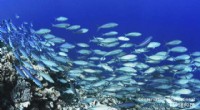
* Ocean: Marine life interacts with water currents, sunlight, and nutrients.
* Desert: Organisms adapted to extreme temperatures and limited water interact in a harsh environment.
* Grassland: Grasses, herbivores, and predators form a characteristic ecosystem.
Understanding ecosystem interactions is crucial for environmental conservation and sustainability. It helps us appreciate the interconnectedness of life and make informed decisions to protect our planet.