Here are some examples:
* Volvox: A type of green algae that forms spherical colonies of thousands of individual cells.
* Coral polyps: Tiny animals that live in colonies and build massive coral reefs.
* Slime molds: These organisms can exist as single-celled amoebas, but can also aggregate into multicellular slug-like forms.
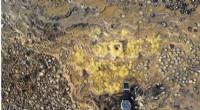
* Certain bacteria: Some bacteria, such as cyanobacteria, form colonies called stromatolites.
These organisms show various levels of cooperation and specialization within their colonies. While some cells may be largely independent, others may specialize in specific functions, such as reproduction or feeding.
It's important to note that while colonial organisms exist as groups of cells, they don't necessarily have the same level of organization and complexity as multicellular organisms like animals or plants.