1. Chemical Mutagenesis:
* How it works: Chemicals like ethyl methanesulfonate (EMS) are used to alter the DNA sequence within plant cells, introducing mutations.
* Advantages: Relatively simple and cost-effective.
* Disadvantages: Can introduce a wide range of random mutations, making it difficult to pinpoint the specific gene responsible for the desired trait.
2. Radiation Mutagenesis:
* How it works: Exposing plant seeds or seedlings to ionizing radiation, like gamma rays or X-rays, can damage DNA and induce mutations.
* Advantages: Effective in introducing mutations, particularly large deletions.
* Disadvantages: Similar to chemical mutagenesis, it's random and difficult to target specific genes.
3. Transposon Mutagenesis:
* How it works: Transposons are "jumping genes" that can move around the genome, disrupting gene function and creating mutations. Scientists can introduce transposons into plants, often using a bacterial vector.
* Advantages: Can be targeted to specific regions of the genome.
* Disadvantages: The process is more complex than chemical or radiation mutagenesis.
4. Gene Editing:
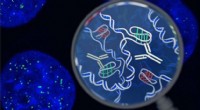
* How it works: Techniques like CRISPR-Cas9 allow scientists to precisely edit the plant's DNA sequence. This allows for targeted and controlled mutations, making it possible to modify specific genes.
* Advantages: Highly precise and allows for the targeted introduction of specific mutations.
* Disadvantages: More technically demanding and potentially more expensive than other methods.
5. TILLING (Targeting Induced Local Lesions in Genomes):
* How it works: A combination of mutagenesis (often EMS) and high-throughput DNA sequencing. It allows for the identification of specific mutations within a large population of mutagenized plants.
* Advantages: Allows for the identification of mutations in specific genes of interest.
* Disadvantages: Requires specialized equipment and expertise in bioinformatics.
Important Considerations:
* Ethical Considerations: The use of genetically modified organisms (GMOs) raises ethical concerns, especially regarding potential environmental impacts and food safety.
* Regulatory Frameworks: The production and release of mutant plants are subject to regulations that vary from country to country.
Overall, the choice of technique depends on factors such as the desired mutation, the availability of resources, and the specific research objectives.