Multicellular Organisms
* Definition: Made up of many cells that work together to form tissues, organs, and organ systems.
* Examples:
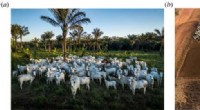
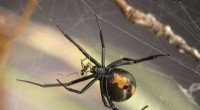
* Animals: Humans, dogs, fish, insects, etc.
* Plants: Trees, flowers, grasses, etc.
* Fungi: Mushrooms, molds, yeasts (some are unicellular, but many are multicellular)
Unicellular Organisms
* Definition: Made up of only one cell that carries out all life functions.
* Examples:
* Bacteria: These are prokaryotes, meaning they lack a nucleus and other membrane-bound organelles.
* Protists: A diverse group that includes amoebas, paramecia, algae (some are multicellular, but many are unicellular).
* Yeast: Some yeasts are multicellular, but most are unicellular fungi.
Key Differences:
* Complexity: Multicellular organisms are much more complex, with specialized cells and tissues.
* Size: Multicellular organisms are generally larger than unicellular organisms.
* Life Span: Multicellular organisms typically have longer lifespans than unicellular organisms.
Interesting Note: There are some organisms that exist in both multicellular and unicellular forms, like algae and fungi!