Here's the breakdown:
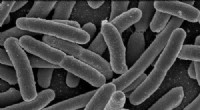
* Prokaryotes are single-celled organisms that lack a nucleus and other membrane-bound organelles. Examples include bacteria and archaea.
* Eukaryotes are organisms whose cells have a nucleus and other membrane-bound organelles. Some eukaryotes are single-celled (like amoebas and yeast), while others are multicellular (like plants and animals).
So, while all prokaryotes are unicellular, not all unicellular organisms are prokaryotes.