Here's a breakdown of their roles:
Key Roles of Organelles:
* Energy Production: Organelles like mitochondria are the powerhouses of the cell, generating energy (ATP) through cellular respiration.
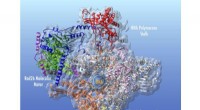
* Protein Synthesis: Ribosomes are responsible for building proteins, which are essential for almost every cell function.
* Waste Removal: Lysosomes act as the cell's recycling center, breaking down waste products and cellular debris.
* Material Transport: The endoplasmic reticulum (ER) and Golgi apparatus work together to modify, package, and transport proteins and lipids throughout the cell.
* Structural Support: The cytoskeleton provides structural support and helps with movement within the cell.
* DNA Storage and Replication: The nucleus stores the cell's DNA, the blueprint for all cellular activities.
* Communication and Signaling: The cell membrane acts as a barrier, controlling what enters and leaves the cell and facilitating communication with other cells.
Importance of Organelles:
Organelles are crucial for the survival and function of all living organisms. They work in a coordinated and interconnected way to maintain cell homeostasis, carry out essential processes, and enable cells to respond to their environment.
Examples of Organelles and their Functions:
* Mitochondria: Energy production
* Ribosomes: Protein synthesis
* Lysosomes: Waste removal
* Endoplasmic reticulum (ER): Protein and lipid modification and transport
* Golgi apparatus: Packaging and distribution of proteins and lipids
* Nucleus: DNA storage and replication
* Cytoskeleton: Structural support and movement
* Cell membrane: Barrier, communication, and transport
Understanding the roles of organelles is essential for comprehending how cells function and how they interact with each other to create tissues, organs, and ultimately, complete organisms.