Here's a breakdown:
* Conformers: These organisms allow their internal environment to change with the external environment. They do not expend energy to maintain a stable internal state. This means their internal temperature, salt concentration, or other factors will fluctuate with changes in the external environment.
Examples of Conformers:
* Fish: Many fish are conformers with respect to their body temperature, meaning their internal temperature will match the temperature of the water they live in.
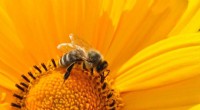
* Insects: Many insects are conformers for temperature and water balance.
* Reptiles: Many reptiles are conformers for body temperature and rely on external sources of heat like the sun.
Important Note: It's crucial to understand that even conformers may have some limited ability to regulate certain internal conditions, but they do not expend significant energy to maintain stability.
Contrast with Regulators:
* Regulators: These organisms actively maintain a stable internal environment regardless of the external environment. They expend energy to regulate factors like temperature, salt concentration, and blood sugar levels.
Examples of Regulators:
* Mammals: Humans and other mammals are excellent regulators, maintaining a stable internal temperature.
* Birds: Birds are also strong regulators, capable of maintaining a stable internal temperature.
In summary:
* Conformers: Adjust to external conditions, less energy expenditure.
* Regulators: Maintain a stable internal environment, higher energy expenditure.
The strategy of being a conformer or regulator is a balance between energy expenditure and the ability to survive in a specific environment.