What it stands for:
* Hep: It is derived from the HEp-2 cell line, which originally stood for "human epithelial type 2".
* 2: This indicates the specific cell line, as there are various Hep cell lines.
Origin:
* The Hep 2 cell line was established in the 1950s from a human laryngeal carcinoma, meaning it originated from cancer cells in the voice box.
Characteristics:
* Epithelial: Hep 2 cells are derived from epithelial tissues, which form the lining of various organs and cavities in the body.
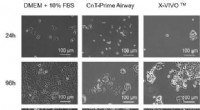
* Adherent: They grow as a monolayer (single layer) attached to a surface, making them suitable for cell culture.
* Immunofluorescent Staining: They have specific antigens (proteins) on their surface, making them ideal for immunofluorescence assays, where antibodies bind to these antigens and emit fluorescence.
Uses:
* Autoimmune disease diagnosis: Hep 2 cells are used in indirect immunofluorescence assays (IIFAs) to detect antibodies against specific cellular components, which can help diagnose autoimmune diseases like systemic lupus erythematosus (SLE) and rheumatoid arthritis (RA).
* Research: They are also used in research studies involving cell biology, immunology, and toxicology.
Key takeaways:
* Hep 2 cells are a specific human cell line originating from a laryngeal carcinoma.
* They are used for diagnosis of autoimmune diseases and for research purposes.
It's important to note:
* Although Hep 2 cells are derived from cancer cells, they are not cancerous in themselves and are considered safe for research and diagnostic applications.
* The specific applications and interpretation of results using Hep 2 cells should always be done by qualified professionals.