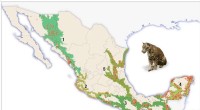
1. Habitat loss and fragmentation: The destruction and fragmentation of natural habitats due to human activities like deforestation, agriculture, and urbanization. This leads to reduced populations and increased extinction risk for many species.
2. Climate change: Global warming and its associated impacts like extreme weather events, rising sea levels, and ocean acidification disrupt ecosystems and stress wildlife, contributing to biodiversity loss.
3. Pollution: Air, water, and soil pollution from industrial activities, agricultural runoff, and plastic waste harm ecosystems and threaten species.
4. Invasive species: The introduction of non-native species can outcompete native species, disrupt ecological balance, and lead to extinctions.
5. Overexploitation: Excessive harvesting of resources, including fishing, hunting, and logging, can lead to population decline and endangerment of species.
6. Disease outbreaks: Emerging infectious diseases can spread rapidly, decimate populations, and affect ecosystem functioning.
Consequences of a Biological Crisis:
* Loss of ecosystem services: Biodiversity provides essential services like pollination, water purification, and climate regulation. Their loss threatens human well-being and economic stability.
* Decreased resilience to change: A diverse ecosystem is better equipped to adapt to environmental change, while a degraded ecosystem is more vulnerable to disruptions.
* Ethical concerns: Biodiversity loss represents a moral responsibility to protect the Earth's living heritage for future generations.
Addressing the Biological Crisis:
* Conservation efforts: Protecting and restoring habitats, managing protected areas, and combating invasive species.
* Sustainable practices: Promoting sustainable agriculture, forestry, and fishing practices to reduce human impacts on ecosystems.
* Climate action: Mitigating climate change through reduced greenhouse gas emissions and adaptation strategies.
* Policy and legislation: Establishing laws and regulations to protect biodiversity and hold polluters accountable.
* Education and awareness: Raising public awareness about the importance of biodiversity and inspiring action.
The biological crisis is a complex and urgent challenge that requires global collaboration and action. By addressing the root causes of biodiversity loss and implementing effective solutions, we can ensure the survival of Earth's incredible diversity for generations to come.