Bacteria:
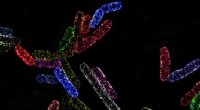
* Binary fission: This is the primary method of reproduction for bacteria. It's a simple process where a single bacterial cell duplicates its DNA and then divides into two identical daughter cells. This process is driven by enzymes and proteins that control the replication of DNA and the division of the cell.
Viruses:
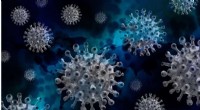
* Viral replication: Viruses are not considered living organisms because they cannot reproduce independently. Instead, they rely on the host cell's machinery to replicate. Here's a simplified breakdown:
* Attachment: The virus attaches to a host cell.
* Entry: The virus enters the host cell (e.g., through endocytosis or by injecting its genetic material).
* Replication: The virus uses the host cell's machinery to replicate its genetic material (DNA or RNA) and produce viral proteins.
* Assembly: New viral particles are assembled within the host cell.
* Release: The newly assembled viruses are released from the host cell, often destroying the cell in the process.
Key Differences:
* Independent vs. Dependent Reproduction: Bacteria can reproduce independently, while viruses require a host cell to replicate.
* Cellular Structure: Bacteria are single-celled organisms with a cell wall, membrane, and other organelles. Viruses are essentially packets of genetic material (DNA or RNA) enclosed in a protein coat.
Let me know if you'd like to explore any of these topics in more detail!