Dissection is a fundamental technique in biology that involves carefully separating and examining the structures of a living organism or its parts. It is a crucial tool for:
* Understanding Anatomy: By dissecting organisms, biologists can observe the arrangement, structure, and relationships of different organs and tissues.
* Studying Physiology: Dissection allows researchers to explore the functions of organs and systems by tracing pathways, identifying nerve connections, and observing how structures interact.
* Identifying and Examining Pathologies: Dissection is crucial for diagnosing diseases and studying their effects on the body.
* Research and Education: Dissection is widely used in research laboratories and classrooms for training purposes.
Types of Dissection:
* Gross Dissection: This involves examining large structures with the naked eye, often using scalpels, forceps, and probes.
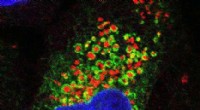
* Microscopic Dissection: This involves examining smaller structures, such as cells and tissues, under a microscope.
* Virtual Dissection: Using computer software to simulate dissection without using real specimens.
Ethical Considerations:
While dissection is a valuable tool, it's crucial to consider the ethical implications, particularly when working with animals. The use of animals in dissection is subject to strict regulations and guidelines to minimize suffering and ensure humane treatment.
Benefits of Dissection:
* Hands-on Learning: Dissection provides a tangible and interactive experience that enhances understanding and retention.
* Develops Skills: Dissection promotes dexterity, spatial awareness, and problem-solving skills.
* Promotes Scientific Inquiry: Dissection encourages critical thinking, observation, and data analysis.
Alternatives to Dissection:
Due to ethical concerns and changing perspectives, alternatives to dissection are becoming more popular. These include:
* Virtual Dissection Software: Offers interactive simulations of dissection without using real specimens.
* Models and Charts: Provide detailed anatomical representations for learning purposes.
* Real-World Examples: Using videos, photographs, and other media to illustrate anatomical structures.
Overall, dissection remains a valuable technique in biology. However, it's crucial to balance its benefits with ethical considerations and explore alternative methods when appropriate.