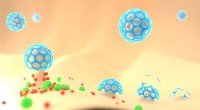
1. Plasma Membrane: This is the outer boundary of the cell, acting as a selective barrier that controls what enters and exits. It helps maintain the cell's internal environment, protecting it from the external environment.
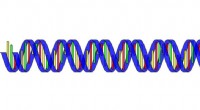
2. DNA (Deoxyribonucleic Acid): This molecule contains the genetic information that directs all cellular activities. DNA is essential for the cell to produce proteins, replicate itself, and pass on its genetic legacy to its offspring.
3. Ribosomes: These are the protein-making machinery of the cell. They translate the genetic code from DNA into functional proteins, which carry out a vast array of tasks within the cell.
4. Cytoplasm: This is the gel-like substance that fills the cell and surrounds the organelles. It provides a medium for chemical reactions to occur and facilitates the movement of molecules within the cell.
These four structures are the fundamental building blocks of life, enabling cells to carry out the essential processes for their survival and reproduction.