What DNA Does:
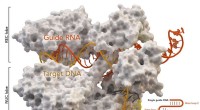
* Stores Genetic Information: DNA is the blueprint for life. It contains the instructions for building and maintaining your body. These instructions are encoded in the sequence of its four building blocks (adenine, guanine, cytosine, and thymine).
* Directs Protein Synthesis: Genes, which are segments of DNA, contain the code for making proteins. Proteins are essential for all bodily functions, including growth, repair, and metabolism.
The "Non-Coding" Majority:
* Regulatory Elements: A large portion of your DNA controls the activity of genes. These regions act like switches, turning genes on or off at the right time and in the right place.
* Structural Elements: Some DNA sequences contribute to the structure of chromosomes, helping to keep the genetic material organized and stable.
* Repetitive Sequences: A significant amount of DNA consists of repetitive sequences that don't appear to have a direct function, but they might play roles in chromosome stability, cell division, or other processes.
The Function of "Junk DNA" is Still Being Discovered:
The term "junk DNA" is outdated and misleading. Scientists are continually discovering new functions for previously uncharacterized DNA regions. We're learning that even parts of DNA that don't directly code for proteins can play crucial roles in regulating gene expression and maintaining the integrity of our genome.
In Summary:
Most DNA in your body is not directly involved in making proteins, but it's still essential for life. It plays vital roles in regulating genes, maintaining chromosome structure, and potentially many other processes that we are still discovering.