Plant Anatomy and Physiology:
* Photosynthesis: Sunflowers, like all plants, perform photosynthesis, the process of converting light energy into chemical energy stored in sugars. Their large, flat flower heads are ideal for capturing sunlight.
* Stem and Root Growth: Sunflowers exhibit rapid stem growth, allowing them to reach for sunlight. Their deep root systems anchor them and absorb water and nutrients from the soil.
* Seed Production: Sunflowers produce large numbers of seeds, a crucial aspect of their life cycle and a valuable food source for humans and animals.
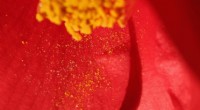
* Pollination: The large, bright yellow flowers attract pollinators, like bees and butterflies, aiding in the process of fertilization and seed production.
Evolution and Genetics:
* Adaptation: Sunflowers have adapted to thrive in a variety of environments, showcasing the power of natural selection.
* Genetics: Studying sunflower genes helps us understand plant growth, disease resistance, and other important traits.
* Hybrids: Sunflower breeders have created hybrid varieties that produce larger yields and possess other desirable characteristics.
Ecology and Interactions:
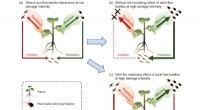
* Symbiotic Relationships: Sunflowers interact with various organisms, including pollinators, seed dispersers, and microbes, demonstrating the interconnectedness of ecosystems.
* Habitat Modification: Sunflower fields can provide habitat for various insects and birds, highlighting the impact of plants on ecosystems.
Human Applications:
* Food Source: Sunflower seeds are a valuable source of protein, fats, and vitamins.
* Biofuel Production: Sunflower oil can be used to produce biofuel, promoting sustainability.
* Research Model: Sunflowers are used in research to study plant development, genetics, and other areas of plant biology.
Overall, sunflowers are a fascinating and diverse example of biology, showcasing the complexity and wonder of the natural world. They provide a window into plant anatomy, physiology, evolution, ecology, and human applications, making them a valuable subject of study for biologists and enthusiasts alike.