1. Cells:
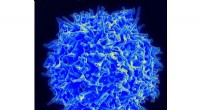
* The fundamental unit of life: Cells are the smallest, most basic unit of a living organism. They are like tiny building blocks.
* Perform specific functions: Each cell has a specific role, like muscle cells contracting, nerve cells transmitting signals, or skin cells providing protection.
* Examples: Red blood cells, nerve cells, muscle cells, skin cells
2. Tissues:
* Groups of similar cells working together: Tissues are formed when many similar cells come together to perform a common function.
* Four main types:
* Epithelial tissue: Covers and protects surfaces (skin, lining of organs)
* Connective tissue: Connects, supports, and binds tissues (bone, blood, cartilage)
* Muscle tissue: Allows movement (skeletal, smooth, cardiac)
* Nervous tissue: Transmits signals (brain, spinal cord, nerves)
* Examples: Muscle tissue (heart, muscles), bone tissue, blood
3. Organs:
* Structures made of different tissues: Organs are made up of two or more different types of tissues that work together for a specific purpose.
* Complex functions: Each organ performs a complex task.
* Examples: Heart (muscle and connective tissue), stomach (muscle, epithelial, connective tissue), lungs (epithelial, connective, muscle tissue)
4. Body Systems:
* Groups of organs working together: Body systems are a collection of organs that work together to carry out major life functions.
* Interdependence: Systems rely on each other for proper function.
* Examples:
* Digestive system: Breaks down food
* Respiratory system: Takes in oxygen and releases carbon dioxide
* Circulatory system: Transports blood
* Nervous system: Controls and coordinates body functions
Think of it like this:
* Cells: The bricks
* Tissues: The walls built from bricks
* Organs: The rooms within the house, made of different walls
* Body Systems: The entire house, with each room serving a specific purpose
This hierarchical organization is what allows living organisms to function efficiently and maintain life.