Evolution is the process of change over time. It's how life on Earth has diversified from simple single-celled organisms into the incredible array of creatures we see today, including ourselves.
Here's a simplified explanation:
1. Variation: Every living thing is slightly different from its parents. This variation can be in physical traits like color, size, or behavior.
2. Inheritance: These variations, or traits, are passed down from parents to offspring.
3. Selection: The environment presents challenges. Some variations might help an organism survive and reproduce better than others. These traits become more common over time.
4. Time: Over many generations, these changes accumulate, leading to significant changes in a species or even the emergence of new species.
Think of it like this:
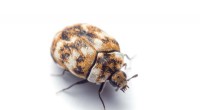
Imagine a population of beetles. Some are green, some are brown. The brown beetles are better camouflaged in the environment, making them less likely to be eaten by birds. Over time, more brown beetles survive to reproduce, passing their genes on. Eventually, the population might be mostly brown beetles.
Important points to remember:
* Evolution is not a ladder: It's a branching process, with many species evolving along different paths.
* Evolution is not random: It's guided by natural selection, favoring traits that increase an organism's chances of survival and reproduction.
* Evolution is ongoing: It's a constant process that's still happening today.
Beyond the basics:
Evolution is a complex subject with many different aspects. Here are some additional points to consider:
* Mutations: These are changes in DNA that introduce new variations into a population.
* Genetic drift: Random changes in the frequency of genes can occur, especially in small populations.
* Speciation: The process by which new species arise from existing ones.
* Fossil record: Evidence of past life that provides a glimpse into how evolution has unfolded.
Understanding evolution is crucial for many reasons:
* It helps us understand the diversity of life on Earth.
* It provides insights into human health, agriculture, and conservation.
* It helps us develop new medicines and technologies.
Want to learn more? There are many resources available online and in libraries to help you delve deeper into the fascinating world of evolution.