1. Fossil Record:
* Earliest Fossils: The oldest known fossils are of prokaryotes, dating back to around 3.5 billion years ago. Eukaryotic fossils only appear much later, around 2.7 billion years ago. This chronological order suggests prokaryotes were the first life forms.
* Simpler Structures: Early eukaryotic fossils are relatively simple, resembling modern-day protists. This suggests they evolved from simpler, prokaryotic ancestors.
2. Cellular Structure:
* Complexity: Eukaryotic cells are far more complex than prokaryotic cells. They possess a nucleus, membrane-bound organelles like mitochondria and chloroplasts, and a more elaborate cytoskeleton. This complexity likely evolved over time from simpler prokaryotic structures.
* Mitochondria and Chloroplasts: These organelles are believed to have originated from ancient bacteria that were engulfed by early eukaryotic cells and became symbiotic partners. This is supported by the fact that both organelles have their own DNA, which is more similar to bacterial DNA than eukaryotic DNA.
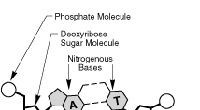
* DNA Structure: Eukaryotic DNA is linear and associated with histone proteins, while prokaryotic DNA is circular and naked. This difference in organization points to a distinct evolutionary trajectory.
3. Molecular Evidence:
* Ribosomal RNA (rRNA): rRNA is a crucial component of ribosomes, the protein-making machinery of cells. Comparing rRNA sequences between eukaryotes, bacteria, and archaea (another type of prokaryote) shows a closer evolutionary relationship between eukaryotes and archaea, suggesting a common ancestor.
* Gene Transfer: Studies show that genes have been transferred horizontally between prokaryotes and eukaryotes. This indicates that prokaryotes were present before eukaryotes and provided the source of these transferred genes.
4. Endosymbiotic Theory:
* This theory, strongly supported by evidence, posits that mitochondria and chloroplasts originated from bacteria that were engulfed by early eukaryotic cells. This is a key piece of evidence suggesting the evolution of eukaryotes from prokaryotes.
In Summary:
The fossil record, cellular structure, molecular data, and the endosymbiotic theory all strongly support the idea that eukaryotic cells evolved after prokaryotic cells. While the exact mechanisms and timeline of this evolution are still being debated, the evidence overwhelmingly points to this conclusion.