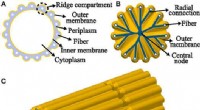
Prokaryotic cells are typically much smaller than eukaryotic cells, ranging from 0.1 to 10 micrometers in diameter. They are simple cells that lack a nucleus and other membrane-bound organelles.
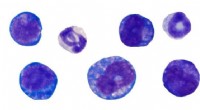
Eukaryotic cells are larger and more complex, with diameters ranging from 10 to 100 micrometers. They have a nucleus, which contains the cell's DNA, and a variety of other organelles enclosed within membranes.
Here's a table summarizing the key differences:
| Feature | Prokaryotic Cell | Eukaryotic Cell |
|---|---|---|
| Size | 0.1 - 10 micrometers | 10 - 100 micrometers |
| Nucleus | Absent | Present |
| Organelles | Absent | Present |
| DNA | Circular, located in the cytoplasm | Linear, located in the nucleus |
| Examples | Bacteria, Archaea | Plants, animals, fungi, protists |
In summary: Eukaryotic cells are larger than prokaryotic cells due to their more complex structure and the presence of a nucleus and other membrane-bound organelles.