1. Cellular Respiration: This is the primary way oxygen is utilized. It's a process where cells break down glucose (sugar) in the presence of oxygen to release energy (ATP). This energy is then used for all cellular processes, including growth, movement, repair, and maintaining body temperature. The chemical reaction can be simplified as:
Glucose + Oxygen → Carbon Dioxide + Water + Energy (ATP)
2. Other Uses:
* Formation of Water: Oxygen is crucial in the formation of water, a vital component for all living organisms.
* Immune System: Oxygen helps white blood cells fight infections and inflammation.
* Wound Healing: Oxygen is required for the repair of damaged tissues.
* Brain Function: Oxygen is essential for brain activity and cognitive function.
Types of Organisms and Oxygen Use:
* Aerobic Organisms: These organisms require oxygen to survive and thrive. Most animals, plants, and many microorganisms fall into this category.
* Anaerobic Organisms: These organisms can live and thrive in the absence of oxygen. They may even be poisoned by oxygen. Examples include certain bacteria that live in deep ocean vents or in the digestive tract of animals.
Why is Oxygen Important?
* Energy Production: Oxygen is the final electron acceptor in cellular respiration, allowing for the efficient release of energy from glucose. Without oxygen, cells would only be able to produce a tiny fraction of the energy they need to survive.
* Metabolic Processes: Oxygen plays a critical role in many other metabolic reactions within the body, including the production of enzymes and hormones.
* Protection: Oxygen plays a role in the immune system and helps protect the body from disease.
Consequences of Oxygen Deprivation:
When oxygen is not available, cells quickly begin to suffer. This can lead to:
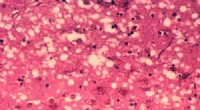
* Tissue Damage: Lack of oxygen can damage cells and tissues, leading to organ failure.
* Death: Severe oxygen deprivation can be fatal.
In conclusion, oxygen is a vital component for the survival of most living organisms, powering their energy production, essential metabolic processes, and serving a crucial role in the immune system.