Autotrophs and heterotrophs are two distinct categories of organisms based on how they obtain energy and nutrients.
Autotrophs:
* "Self-feeders": They produce their own food through processes like photosynthesis or chemosynthesis.
* Energy source: Sunlight (photosynthesis) or inorganic chemicals (chemosynthesis).
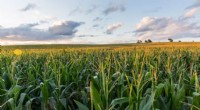
* Examples: Plants, algae, cyanobacteria.
Heterotrophs:
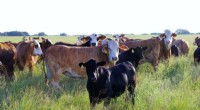
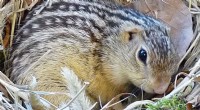
* "Other-feeders": They consume other organisms (living or dead) to get their energy and nutrients.
* Energy source: Organic compounds from other organisms.
* Examples: Animals, fungi, bacteria (except for chemosynthetic bacteria).
Here's a table summarizing the key differences:
| Feature | Autotrophs | Heterotrophs |
|------------------|-------------|--------------|
| Food Source | Produce own food | Consume other organisms |
| Energy Source | Sunlight, inorganic chemicals | Organic compounds |
| Examples | Plants, algae, cyanobacteria | Animals, fungi, bacteria (except chemosynthetic) |
In simpler terms:
* Autotrophs are like farmers: They make their own food.
* Heterotrophs are like cooks: They eat what others have grown.
Understanding the difference between autotrophs and heterotrophs is fundamental to understanding the flow of energy in ecosystems. They form the basis of food chains and webs, with autotrophs at the bottom as primary producers and heterotrophs at higher levels as consumers.