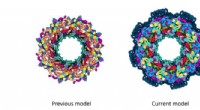
Exocytosis: This is the most common method of secreting large molecules like proteins, hormones, and neurotransmitters. It involves packaging the product in a membrane-bound vesicle within the cell. This vesicle then fuses with the cell membrane and releases its contents outside the cell.
Other mechanisms:
* Diffusion: Small molecules like gases or lipids can passively diffuse across the cell membrane.
* Active transport: Some molecules are actively pumped across the cell membrane using energy. This is often used to move nutrients into the cell or waste products out.
* Transmembrane channels: Some proteins have channels that allow specific molecules to pass through the cell membrane.
* Paracrine signaling: Cells can secrete signaling molecules that act on nearby cells.
* Endocrine signaling: Cells can secrete hormones that travel through the bloodstream to act on distant cells.
Examples of secreted products:
* Proteins: Enzymes, hormones, antibodies
* Lipids: Steroid hormones, fats
* Carbohydrates: Sugars, polysaccharides
* Waste products: Carbon dioxide, urea
The specific method of secretion depends on the size and type of the product being secreted, as well as the type of cell. For example, nerve cells secrete neurotransmitters via exocytosis, while cells in the liver secrete bile acids via active transport.
It's important to note that the process of secretion is highly regulated, and cells can control the amount and type of products they secrete in response to various stimuli.