1. Unveiling the Invisible World:
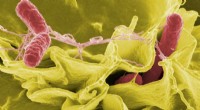
* Seeing the unseen: Before microscopes, diseases were understood based on their symptoms, which often had multiple causes and were difficult to differentiate. Microscopes allowed scientists to visualize microorganisms like bacteria, viruses, and parasites, previously invisible to the naked eye. This opened a whole new world of understanding about the origins and spread of disease.
* Identifying specific pathogens: This ability to visualize microorganisms led to the identification of specific pathogens responsible for different diseases. For example, Robert Koch's discovery of the bacterium causing anthrax in the 1870s, and Louis Pasteur's work on the germ theory of disease, were made possible by the microscope.
2. Germ Theory and Hygiene:
* Disproving spontaneous generation: The microscope helped disprove the long-held theory of spontaneous generation, which proposed that living organisms could arise from non-living matter. This led to the development of the germ theory of disease, which states that microorganisms are the primary cause of many diseases.
* Focus on hygiene: The understanding that microscopic organisms caused disease led to a renewed focus on hygiene and sanitation practices. This included measures like hand washing, sterilization of medical equipment, and water purification, which dramatically reduced the incidence of infectious diseases.
3. Advancements in Diagnosis and Treatment:
* Improved diagnosis: Microscopes allowed for more accurate diagnosis of diseases by identifying the specific pathogen involved. This enabled targeted treatments, leading to better outcomes for patients.
* Development of vaccines and antibiotics: The understanding of microorganisms' role in disease paved the way for the development of vaccines to prevent diseases and antibiotics to treat bacterial infections.
4. Understanding the Complexity of Disease:
* Cellular level understanding: Microscopes revealed the cellular structure of organisms, allowing scientists to investigate how microorganisms interacted with their hosts at a cellular level. This led to a deeper understanding of the mechanisms of disease and the complex interplay between host and pathogen.
In Summary:
The invention of the microscope was a landmark discovery that fundamentally changed our understanding of disease. It moved us from a world of speculation and superstition to a scientific understanding of microorganisms and their role in causing illness. This shift led to significant advancements in hygiene, diagnosis, treatment, and ultimately, our ability to combat disease.