Everyday Life:
* Gardening: Understand how plants grow, what nutrients they need, and how to best care for them based on their specific needs. This includes things like:
* Soil testing: Determine the pH of your soil and amend it with compost or fertilizer to improve plant growth.
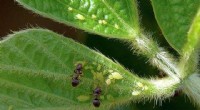
* Pest control: Use biological control methods like introducing beneficial insects to control pests instead of harsh chemicals.
* Composting: Break down organic waste into nutrient-rich compost for your garden.
* Cooking:
* Food preservation: Apply principles of fermentation, canning, or drying to preserve food for longer.
* Food safety: Understand how bacteria grow and how to properly handle, store, and cook food to prevent foodborne illness.
* Cleaning:
* Natural cleaners: Use vinegar, baking soda, and essential oils for cleaning your home.
* Understanding microorganisms: Be aware of the beneficial and harmful bacteria in your home and how to maintain a healthy environment.
* Pet care:
* Understanding their needs: Learn about the specific biology and needs of your pet to provide the best care.
* First aid: Know what to do in an emergency situation with your pet, based on their anatomy and physiology.
* Health and wellness:
* Nutrition: Choose healthy foods that provide the nutrients your body needs.
* Exercise: Understand how exercise benefits your body's systems.
* Sleep: Be aware of the biological rhythms that affect your sleep patterns and how to improve your sleep.
Projects and Experiments:
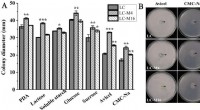
* Microbiology: Grow cultures of yeast or bacteria at home to observe their growth and characteristics.
* Plant physiology: Experiment with plant growth under different light conditions or with different types of fertilizer.
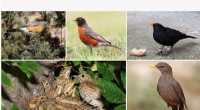
* Animal behavior: Observe the behavior of your pets or wild animals in your yard and try to understand the reasons for their actions.
Beyond the Basics:
* DIY projects: Apply biological principles to design and build things, such as a hydroponic garden or a composting system.
* Environmental awareness: Understand how human actions impact the environment and learn how to make sustainable choices.
Remember: While biology can be helpful, it's essential to do research and practice safe methods when conducting experiments or working with living organisms.
Let me know if you'd like more information about any specific area!