1. The Allure of Pollen: Plants produce pollen, a fine, powdery substance containing male reproductive cells. They create pollen to attract pollinators, which are animals that help transfer pollen from one flower to another.
2. Colorful and Fragrant Invitations: Plants use a variety of tricks to attract pollinators:
* Vibrant Colors: Many flowers are brightly colored to stand out against their surroundings and catch the eye of insects or birds.
* Sweet Scents: Some flowers release fragrant scents that are appealing to pollinators. This is especially true for nocturnal pollinators like moths, which are attracted to sweet scents in the dark.
* Nectar Rewards: Flowers provide a sugary liquid called nectar that pollinators find irresistible.
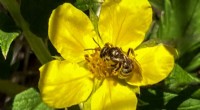
3. Pollen Transfer: When pollinators visit a flower for nectar or pollen, they accidentally pick up pollen on their bodies. As they visit other flowers, they deposit the pollen on the stigma, the female reproductive part of the flower.
4. Fertilization and Seeds: The pollen grain then travels down a tube in the stigma to reach the ovary, where it fertilizes the ovules. This fertilization results in the development of seeds within the ovary.
Different pollinators have different ways of interacting with plants:
* Bees: Bees are the most common pollinators. They have fuzzy bodies that collect pollen and are attracted to bright colors and fragrant flowers.
* Butterflies and Moths: These insects are attracted to brightly colored flowers, especially those with long, tube-like corollas.
* Birds: Some birds, like hummingbirds, have long beaks and tongues adapted to feed on nectar. They are attracted to red or orange flowers.
* Bats: These nocturnal creatures are attracted to flowers with strong scents and white or pale colors that are visible in the dark.
The Importance of Pollination:
Pollination is crucial for plant reproduction. Without it, plants wouldn't be able to produce seeds and fruits. This would have a devastating impact on the entire ecosystem, as many animals rely on plants for food and shelter.
In short, plants are the masters of attracting pollinators and ensuring their successful reproduction. Their colorful flowers, sweet scents, and nectar rewards are all part of a fascinating and essential dance between plants and the animals that help them spread their seeds.