The chaparral biome, with its hot, dry summers and mild, wet winters, presents unique challenges for its inhabitants. Animals living in this biome have developed a variety of fascinating adaptations to survive in this environment:
1. Water Conservation:
* Nocturnal Activity: Many animals, like the desert fox and kangaroo rat, are active at night when it's cooler and more humid, minimizing water loss.
* Efficient Kidneys: Animals like the jackrabbit have highly efficient kidneys that allow them to concentrate their urine and conserve water.
* Thick Fur: The coyote and mountain lion have thick fur that helps them conserve body heat and reduce water loss through sweating.
* Burrowing: Animals like the pocket gopher and ground squirrel dig burrows that offer a cool and humid environment, conserving water and protecting them from predators.
2. Fire Resistance:
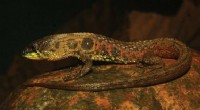
* Thick Skin and Scales: Animals like the western fence lizard and California horned lizard have tough, scaly skin that helps them withstand the heat of wildfires.
* Quick Movement: Animals like the deer and rabbit can quickly escape from wildfires due to their agility and speed.
* Underground Shelters: Animals like the tarantula and skunk hide underground during wildfires, protected from the flames.
3. Food Availability:
* Diverse Diets: Animals like the coyote and bobcat are opportunistic feeders, consuming a variety of food sources to adapt to changing seasons and food availability.
* Seed-eating Specialists: Animals like the California quail and scrub jay rely on seeds as a primary food source, which are abundant in the chaparral.
* Herbivory: Animals like the mule deer and black-tailed deer are herbivores that browse on the abundant shrubs and grasses in the chaparral.
4. Predator Avoidance:
* Camouflage: Animals like the lizard and grasshopper blend into their surroundings to avoid detection by predators.
* Defensive Mechanisms: Animals like the skunk and rattlesnake possess defensive mechanisms like foul-smelling sprays or venomous bites to deter predators.
* Mimicry: Animals like the western fence lizard mimic the coloration of venomous snakes to scare off potential threats.
5. Other Adaptations:
* Thick Coats: Animals like the mule deer and mountain lion develop thick winter coats to stay warm during colder periods.
* Seasonal Breeding: Many chaparral animals breed during the rainy season, when food and water are more abundant.
These adaptations help animals thrive in the unique and challenging environment of the chaparral biome. Understanding these adaptations is crucial for appreciating the delicate balance and resilience of this diverse ecosystem.