Here's a breakdown:
* Autotrophs: These organisms can produce their own food using inorganic sources of energy like sunlight or chemical compounds. They are the foundation of most food chains.
* Heterotrophs: These organisms cannot produce their own food and rely on consuming other organisms (autotrophs or other heterotrophs) for their energy and nutrients.
The most common example of an autotroph is a plant, which uses sunlight to perform photosynthesis.
Other examples of autotrophs include:
* Algae: These aquatic organisms perform photosynthesis similar to plants.
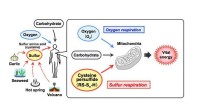
* Some bacteria: Some bacteria use chemical compounds like hydrogen sulfide or iron to produce energy and synthesize organic molecules (chemosynthesis).
Let me know if you'd like more information about autotrophs or heterotrophs!