Biogeography:
* Focus: Studies the distribution of species across geographical space and through geological time. It seeks to understand why species are found in certain places and not others.
* Key factors: Climate, geological history, evolutionary processes, and dispersal mechanisms.
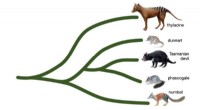
* Examples: Examining the distribution of marsupials in Australia, the impact of plate tectonics on plant diversity, or the spread of invasive species.
Ecology:
* Focus: Studies the interactions of organisms with their environment and with each other. It focuses on how organisms function within their ecosystems.
* Key factors: Population dynamics, community structure, food webs, competition, predation, and symbiosis.
* Examples: Studying the impact of deforestation on bird populations, analyzing the competitive relationships between different species of plants, or examining the flow of energy through a wetland ecosystem.
Here's a table summarizing the key differences:
| Feature | Biogeography | Ecology |
|---|---|---|
| Focus | Geographic distribution of species | Interactions between organisms and environment |
| Key questions | Why are species found where they are? | How do organisms interact with each other and their environment? |
| Scale | Global, regional, and local | Local to global |
| Emphasis | Evolution, dispersal, and historical factors | Interactions, population dynamics, and ecosystem processes |
| Examples | Distribution of endemic species, impact of climate change on species ranges, biogeographic patterns | Food webs, competition, predation, community structure |
In essence, biogeography asks "where" and "why," while ecology asks "how." They complement each other, with biogeographic patterns often providing the context for ecological studies.
For example, biogeography might explain why a certain species of bird is only found in the Amazon rainforest. Ecology would then investigate how that bird interacts with its rainforest habitat, including its food sources, competitors, and predators.