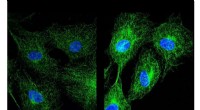
Cell organelles are the functional units within a cell, each with a specialized role. They work together in a coordinated manner to maintain the cell's internal environment (homeostasis) and ensure the continuation of life through reproduction. Here's how:
Maintaining Homeostasis:
* Nucleus: Contains genetic material (DNA), which dictates all cellular activities, including protein synthesis and cell division.
* Ribosomes: Synthesize proteins, essential for building and repairing cell structures, acting as enzymes, and facilitating various cellular processes.
* Endoplasmic Reticulum (ER): Synthesizes lipids and steroids, detoxifies harmful substances, and modifies and transports proteins.
* Golgi Apparatus: Processes and packages proteins, lipids, and other molecules, sending them to their appropriate destinations within or outside the cell.
* Lysosomes: Digest and recycle cellular waste, and break down harmful substances, maintaining a clean and functional cellular environment.
* Mitochondria: Produce energy (ATP) through cellular respiration, providing the power for all cellular activities.
* Plasma Membrane: Regulates the passage of substances in and out of the cell, maintaining the cell's internal environment and preventing disruptions.
* Cytoskeleton: Provides structural support and aids in cell movement, ensuring proper cell shape and function.
Reproduction:
* Nucleus: Stores and replicates DNA, ensuring faithful transmission of genetic information to daughter cells during cell division.
* Centrioles: Organize microtubules, which are essential for chromosome separation during cell division.
* Mitochondria: Provide energy required for the complex processes involved in cell division.
* Ribosomes: Synthesize proteins necessary for cell growth and division.
* Golgi Apparatus: Modifies and packages proteins and other molecules required for cell division.
In summary:
Cell organelles play crucial roles in maintaining cellular homeostasis by carrying out specialized functions that:
* Regulate the internal environment
* Produce energy
* Synthesize and transport essential molecules
* Eliminate waste products
These same organelles are essential for reproduction by:
* Replicating and transmitting genetic information
* Providing the energy and building blocks for new cells
* Coordinating the complex processes of cell division
Without a proper functioning system of organelles, cells wouldn't be able to sustain life, maintain their internal balance, or replicate, ultimately leading to the demise of the organism.