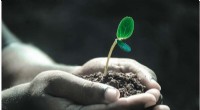
Photosynthesis is the process by which plants and some algae use sunlight, water, and carbon dioxide to create their own food (glucose) and release oxygen as a byproduct. Here's a simplified explanation:
1. Sunlight: Plants capture light energy from the sun using a green pigment called chlorophyll.
2. Water: Plants absorb water from the soil through their roots.
3. Carbon dioxide: Plants take in carbon dioxide from the air through tiny pores on their leaves called stomata.
Inside the plant's leaves, chlorophyll uses the light energy to combine water and carbon dioxide, producing glucose (sugar) and oxygen. This process occurs in two main stages:
* Light-dependent reactions: These reactions occur in the chloroplasts of plant cells and use light energy to convert water into oxygen and energy carriers (ATP and NADPH).
* Light-independent reactions (Calvin cycle): These reactions use the energy carriers from the light-dependent reactions to convert carbon dioxide into glucose.
Why is photosynthesis important?
* Food source: Photosynthesis is the foundation of most food chains. It provides the energy and nutrients that support all living things.
* Oxygen production: Photosynthesis releases oxygen into the atmosphere, which is essential for the survival of most living things.
* Climate regulation: Plants absorb carbon dioxide during photosynthesis, helping to regulate the Earth's climate.
Let me know if you have any more questions about photosynthesis or want to delve deeper into the process!