1. Biological Species Concept (BSC):
* Reproductive Isolation: This is the most commonly used criterion. Organisms belong to the same species if they can interbreed and produce fertile offspring under natural conditions.
* Limitations: The BSC doesn't apply to organisms that reproduce asexually or to species that are geographically isolated.
2. Morphological Species Concept:
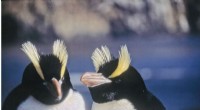
* Physical Similarities: This concept relies on observable physical traits to define a species. Organisms with similar anatomical features are considered part of the same species.
* Limitations: Physical similarities can be misleading, as different species can evolve similar traits independently (convergent evolution).
3. Phylogenetic Species Concept:
* Evolutionary History: This concept focuses on shared ancestry. Organisms belong to the same species if they share a common ancestor and form a distinct lineage.
* Limitations: Determining the exact evolutionary relationships between species can be difficult, and the level of genetic divergence required to define a species is debated.
4. Ecological Species Concept:
* Ecological Niche: Organisms are considered the same species if they occupy the same ecological niche (role in the environment).
* Limitations: Defining a niche precisely can be challenging, and some species may share similar niches.
5. Molecular Species Concept:
* Genetic Differences: This concept uses genetic data, like DNA sequences, to distinguish between species.
* Limitations: Determining the level of genetic divergence that defines a species can be subjective.
In practice, biologists often use multiple criteria to reach a consensus about species classification. The choice of criteria depends on the specific organisms being studied and the research questions being addressed.
It's important to remember that species classification is a dynamic process. As our understanding of biology and evolution advances, the criteria used to define species may change, and species classifications can be revised.