Here are examples of common names used for various groups of living organisms:
Animals:
* Mammals: Dog, Cat, Elephant, Lion, Giraffe, Monkey, Whale, Dolphin
* Birds: Robin, Eagle, Owl, Penguin, Parrot, Hummingbird
* Reptiles: Snake, Lizard, Turtle, Crocodile, Alligator
* Amphibians: Frog, Toad, Salamander
* Fish: Salmon, Tuna, Shark, Goldfish
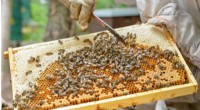
* Insects: Butterfly, Ant, Bee, Mosquito, Spider, Grasshopper
* Other: Jellyfish, Octopus, Squid, Starfish, Sea Urchin
Plants:
* Trees: Oak, Pine, Maple, Redwood, Palm
* Flowers: Rose, Daisy, Sunflower, Tulip, Orchid
* Fruits: Apple, Banana, Strawberry, Orange, Grape
* Vegetables: Carrot, Broccoli, Spinach, Potato, Onion
* Grains: Wheat, Rice, Corn, Oats, Barley
Fungi:
* Mushrooms: Button mushroom, Shiitake, Portobello
* Mold: Black mold, Penicillium
Bacteria:
* E. coli, Salmonella, Streptococcus
Other:
* Algae: Seaweed, Kelp
* Protists: Amoeba, Paramecium
Examples of Common Names with Scientific Names:
* Common name: Dog | Scientific name: *Canis lupus familiaris*
* Common name: Rose | Scientific name: *Rosa*
* Common name: Oak | Scientific name: *Quercus*
* Common name: Butterfly | Scientific name: *Lepidoptera*
Important Notes:
* Common names can vary by region: A "robin" in the US might be different from a "robin" in the UK.
* Common names can be misleading: "Sea cucumber" is not a cucumber, and a "jellyfish" isn't actually a fish.
* Scientific names provide consistency and clarity: They are universally accepted and avoid ambiguity.
This is just a small sample of the vast diversity of life on Earth. There are countless more common names used to identify living organisms, and new ones are constantly being discovered!