Lypogenesis is the metabolic process by which the body converts excess carbohydrates, proteins, and other substances into fat (triglycerides) and stores it in adipose tissue (fat cells).
Here's a breakdown of the process:
1. Source of Energy:
* Primarily, excess dietary carbohydrates (sugars) and proteins are the main sources of energy for lypogenesis.
* However, when the body consumes more calories than it burns, it can also utilize other sources like alcohol and excess amino acids.
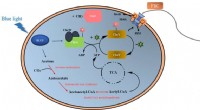
2. Conversion to Acetyl-CoA:
* The excess energy source is broken down into smaller units, ultimately converted into Acetyl-CoA.
* This is a critical molecule in cellular metabolism and plays a key role in energy production.
3. Synthesis of Fatty Acids:
* Acetyl-CoA then enters the fatty acid synthesis pathway.
* This pathway involves a series of enzymatic reactions that build up fatty acids, molecule by molecule, from Acetyl-CoA.
4. Formation of Triglycerides:
* Newly synthesized fatty acids combine with glycerol (a simple sugar alcohol) to form triglycerides.
* Triglycerides are the primary form of fat storage in the body.
5. Storage in Adipose Tissue:
* These triglycerides are then packaged into lipoprotein molecules and transported to adipose tissue, where they are stored.
Factors Influencing Lypogenesis:
* Insulin: The hormone insulin promotes lypogenesis, stimulating the synthesis of fatty acids and the storage of fat.
* Dietary Fat Intake: Consuming high-fat foods can increase lypogenesis, especially saturated and trans fats.
* Hormonal Imbalances: Hormonal imbalances, such as hypothyroidism, can contribute to increased fat storage.
* Genetics: Genetic predisposition can influence the efficiency of lypogenesis and fat storage.
Importance of Lypogenesis:
* Energy Reserve: Lypogenesis allows the body to store excess energy as fat, providing a readily accessible source of energy during periods of food scarcity.
* Insulation and Protection: Fat tissue serves as an insulator, helping to regulate body temperature and protect vital organs.
Regulation of Lypogenesis:
* The body closely regulates lypogenesis to ensure adequate energy storage but prevent excessive fat accumulation.
* Factors like insulin levels, hormone activity, and the availability of substrates (energy sources) all play a role in this regulation.
Understanding lypogenesis is crucial for comprehending how the body stores fat and how dietary and lifestyle choices can influence this process.