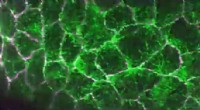
Growth: Mitosis is essential for the development of multicellular organisms from a single fertilized egg. As an organism grows, mitosis provides new cells to increase its size.
Repair: When tissues are damaged, mitosis is crucial for replacing lost or damaged cells. This helps heal wounds and maintain the integrity of tissues and organs.
Maintenance: Even in healthy organisms, cells are constantly being replaced. Mitosis ensures a steady supply of new cells to replace those that die due to normal wear and tear.
Reproduction: In some organisms, like plants and certain animals, mitosis plays a role in asexual reproduction, creating new individuals from a single parent.
Other reasons:
* Cell differentiation: Mitosis can lead to the development of specialized cells with unique functions.
* Stem cell renewal: Mitosis maintains a pool of stem cells, which have the potential to differentiate into different cell types.
Key Points:
* Mitosis is a process of cell division that produces two identical daughter cells from a single parent cell.
* The daughter cells have the same number of chromosomes as the parent cell.
* Mitosis is a fundamental process in all living organisms that allows for growth, repair, and maintenance.
Let me know if you would like more information about the process of mitosis itself!