Good:
1. Medical advancements: Biotechnology has revolutionized healthcare with breakthroughs in gene therapy, personalized medicine, and the development of life-saving drugs and vaccines. This has significantly improved human health and lifespan.
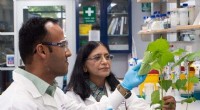
2. Sustainable agriculture: Biotechnology plays a crucial role in developing disease-resistant crops, increasing yield, and reducing reliance on pesticides and herbicides. This contributes to food security and promotes sustainable agriculture practices.
3. Environmental cleanup: Biotechnology offers solutions for bioremediation, using microbes to clean up pollutants in soil and water. This helps to protect the environment and mitigate the impact of human activities.
Bad:
1. Ethical concerns: Biotechnology raises ethical questions about genetic engineering, designer babies, and the potential for misuse of technologies. This raises concerns about the potential for unintended consequences and the need for responsible development and regulation.
2. Biosecurity risks: Biotechnology, particularly genetic engineering, can create new pathogens or alter existing ones, posing potential biosecurity risks. This requires careful monitoring and control to prevent accidental or malicious release of harmful organisms.
3. Social inequality: Access to biotechnology advancements, such as personalized medicine and gene therapy, can be unequal, exacerbating existing health disparities and creating a divide between those who can afford advanced treatments and those who cannot.
It's important to remember that biotechnology is a powerful tool that can be used for both good and bad. By carefully considering both the potential benefits and risks, we can strive to use biotechnology responsibly and ethically for the betterment of society and the planet.