Observations:
* Biodiversity: Early naturalists like Aristotle and Linnaeus recognized the vast diversity of life on Earth. They observed that species seemed to be grouped together in ways that hinted at a possible relationship.
* Fossil Record: The discovery of fossils showed that organisms from the past were different from those living today. This hinted at change over time.
* Similarities across species: Anatomical and developmental similarities between seemingly unrelated species (like the forelimbs of humans, whales, and bats) pointed to a shared ancestry.
* Artificial Selection: Farmers and breeders had long observed that they could select for desirable traits in plants and animals. This demonstrated the potential for change within a species over generations.
Scientific Reasoning:
* Natural Selection: Charles Darwin's groundbreaking contribution was the theory of natural selection. He proposed that individuals within a population vary in their traits and that those with traits better suited to their environment are more likely to survive and reproduce, passing on those advantageous traits.
* Genetics: Gregor Mendel's work on inheritance provided a mechanism for how traits are passed down from parents to offspring, providing the foundation for understanding the genetic basis of evolution.
Evidence:
* Fossil Record: The fossil record provides a timeline of life on Earth, showing the gradual appearance and extinction of species over millions of years.
* Comparative Anatomy and Embryology: The similarities between the anatomical structures and developmental stages of different species support the idea of common descent.
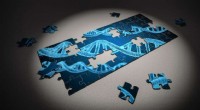
* Molecular Biology: The analysis of DNA and other molecules has revealed the genetic relatedness of all living organisms, further solidifying the concept of common ancestry.
* Biogeography: The distribution of species across the globe provides evidence for the role of evolution in shaping life on Earth.
Important Notes:
* Evolutionary Theory is Constantly Refined: Evolutionary science is an ongoing process. New discoveries and advancements in technology continue to refine our understanding of how life has evolved.
* Not Just Darwin: While Darwin is rightly credited with the theory of natural selection, many other scientists contributed to the development of evolutionary ideas before and after him.
In essence, evolutionary ideas are based on a rigorous scientific framework that combines observation, reasoning, and evidence. It's a powerful explanation for the diversity and complexity of life on Earth.