1. Organic Molecules:
* Carbohydrates: Provide energy and structural support. Examples: sugars, starches, cellulose.
* Lipids (Fats): Store energy, form cell membranes, and provide insulation. Examples: triglycerides, phospholipids, cholesterol.
* Proteins: Perform a wide range of functions including enzymes, structural support, transport, and signaling. They are made up of amino acids.
* Nucleic Acids: Carry genetic information and direct protein synthesis. Examples: DNA (deoxyribonucleic acid) and RNA (ribonucleic acid).
2. Organelles:
* Nucleus: Contains DNA and controls cellular activities.
* Ribosomes: Synthesize proteins.
* Endoplasmic Reticulum (ER): Modifies and packages proteins.
* Golgi Apparatus: Further modifies, sorts, and packages proteins.
* Mitochondria: Powerhouse of the cell, responsible for ATP (energy) production.
* Lysosomes: Digest cellular waste and foreign materials.
* Vacuoles: Store water, nutrients, and waste.
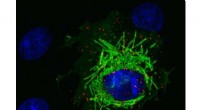
* Cytoskeleton: Provides structural support and helps with cell movement.
3. Cell Membrane:
* This thin, flexible outer layer encloses the cell and controls what enters and leaves. It is composed primarily of a phospholipid bilayer with embedded proteins.
4. Cytoplasm:
* The gel-like substance that fills the cell, providing a medium for the organelles to function.
Key Point: These building blocks work together in a complex and coordinated manner to maintain the cell's structure, function, and overall survival.