1. Transporting molecules within the cell:
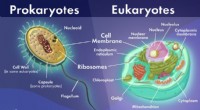
* Proteins: Vesicles move newly synthesized proteins from the ribosomes (where they're made) to the endoplasmic reticulum (ER) and then to the Golgi apparatus, where they are processed and packaged.
* Lipids and carbohydrates: Vesicles transport these important molecules within the cell, helping to build cell membranes and other structures.
* Enzymes and other cellular components: Vesicles ensure that these important molecules are delivered to their correct locations within the cell.
2. Exocytosis: Sending things out of the cell:
* Vesicles fuse with the cell membrane and release their contents outside the cell. This process is vital for:
* Hormone secretion: Hormones, such as insulin, are packaged into vesicles and released into the bloodstream.
* Neurotransmitter release: Vesicles release neurotransmitters at synapses, allowing communication between nerve cells.
* Waste disposal: Vesicles can carry waste products out of the cell.
3. Endocytosis: Bringing things into the cell:
* The cell membrane can fold in on itself, creating a vesicle that engulfs molecules or particles from the outside. This process is important for:
* Nutrient uptake: Cells can take in nutrients, such as sugars and amino acids, through endocytosis.
* Phagocytosis: Cells can engulf larger particles, such as bacteria, using endocytosis.
* Receptor-mediated endocytosis: Specific molecules can bind to receptors on the cell membrane and be taken into the cell via vesicles.
Types of vesicles:
* Transport vesicles: These are the most common type, shuttling cargo between different compartments within the cell.
* Secretory vesicles: These carry molecules that are destined to be released from the cell.
* Endocytic vesicles: These bring materials from outside the cell into the cell's interior.
Overall, vesicles are essential for maintaining the cell's structure, function, and communication with its environment. They play a crucial role in a wide range of cellular processes, from protein synthesis to signal transduction.