Here's a breakdown:
1. Taxonomy and Classification:
* Similarities: Scientists group organisms based on shared characteristics like body plan, evolutionary history, and genetic makeup. These similarities help establish taxonomic ranks (like Kingdom, Phylum, Class, Order, Family, Genus, Species) for organizing life.
* Differences: Differences between organisms help refine the classifications. For example, birds and mammals both have backbones (vertebrates), but they differ significantly in their body structures, reproductive strategies, and metabolism, leading to separate classes.
2. Morphology (Physical Form):
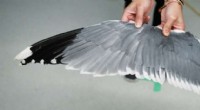
* Similarities: Similar physical traits, like wings in birds and bats, can suggest shared ancestry or adaptation to similar environments.
* Differences: Differences in physical characteristics like beak shape in birds or leaf structure in plants can help identify species and evolutionary relationships.
3. Genetics (DNA and RNA):
* Similarities: Comparing DNA and RNA sequences allows scientists to trace evolutionary relationships. Organisms with highly similar genetic sequences are likely closely related.
* Differences: Genetic variations between individuals and species can be used to track evolutionary divergence and identify distinct species.
4. Biochemistry:
* Similarities: Similar biochemical pathways and enzymes indicate shared ancestry and common metabolic processes.
* Differences: Unique biochemical compounds or metabolic processes can help distinguish between different groups of organisms.
Examples:
* Identifying bacteria: Scientists use differences in their cell wall composition, metabolic pathways, and DNA sequences to differentiate bacteria.
* Classifying primates: Similarities in bone structure, DNA, and behavior are used to group primates like apes, monkeys, and humans.
* Discovering new species: Scientists use both similarities and differences in morphology, genetics, and behavior to identify previously unknown species.
Overall:
The combination of similarities and differences helps scientists understand the relationships between life forms, trace their evolutionary history, and develop a comprehensive understanding of biodiversity.