Here's how it works:
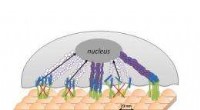
* Proteins embedded in the cell membrane act as receptors. These receptors have specific shapes that allow them to bind to particular molecules outside the cell.
* When a specific molecule binds to a receptor, it triggers a signal transduction pathway inside the cell.
* This pathway can lead to various responses, such as:
* Changes in gene expression: The bacterium may start or stop producing certain proteins.
* Movement: The bacterium might move towards or away from the substance.
* Metabolic changes: The bacterium might start or stop breaking down certain molecules.
Here are some examples:
* Chemoreceptors: These receptors detect chemical gradients in the environment and allow bacteria to move towards nutrients or away from toxins.
* Adhesins: These receptors bind to specific molecules on surfaces, allowing bacteria to adhere to surfaces like teeth or tissues.
* Toxins: Some bacteria have receptors that allow them to recognize and bind to specific host cells, leading to disease.
In short, the cell membrane, with its embedded proteins, acts as a sensory organ for bacteria, allowing them to sense and respond to changes in their surroundings.