Here's why:
* Enzymes: All living cells, both eukaryotic and prokaryotic, have enzymes. Enzymes are proteins that catalyze (speed up) chemical reactions.
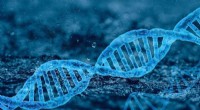
* DNA: Both eukaryotic and prokaryotic cells have DNA as their genetic material.
* Ribosomes: Both eukaryotic and prokaryotic cells have ribosomes. Ribosomes are responsible for protein synthesis.
* Mitochondria: Mitochondria are organelles found only in eukaryotic cells. They are responsible for cellular respiration, which produces energy (ATP) for the cell.
Prokaryotic cells are simpler and lack the membrane-bound organelles found in eukaryotic cells, like mitochondria.